
End of Lease Cleaning Massachusetts Security Deposit Return
Navigate end of lease cleaning in Massachusetts to secure your security deposit. Understand landlord expectations and key cleaning areas for a smooth move-out process.
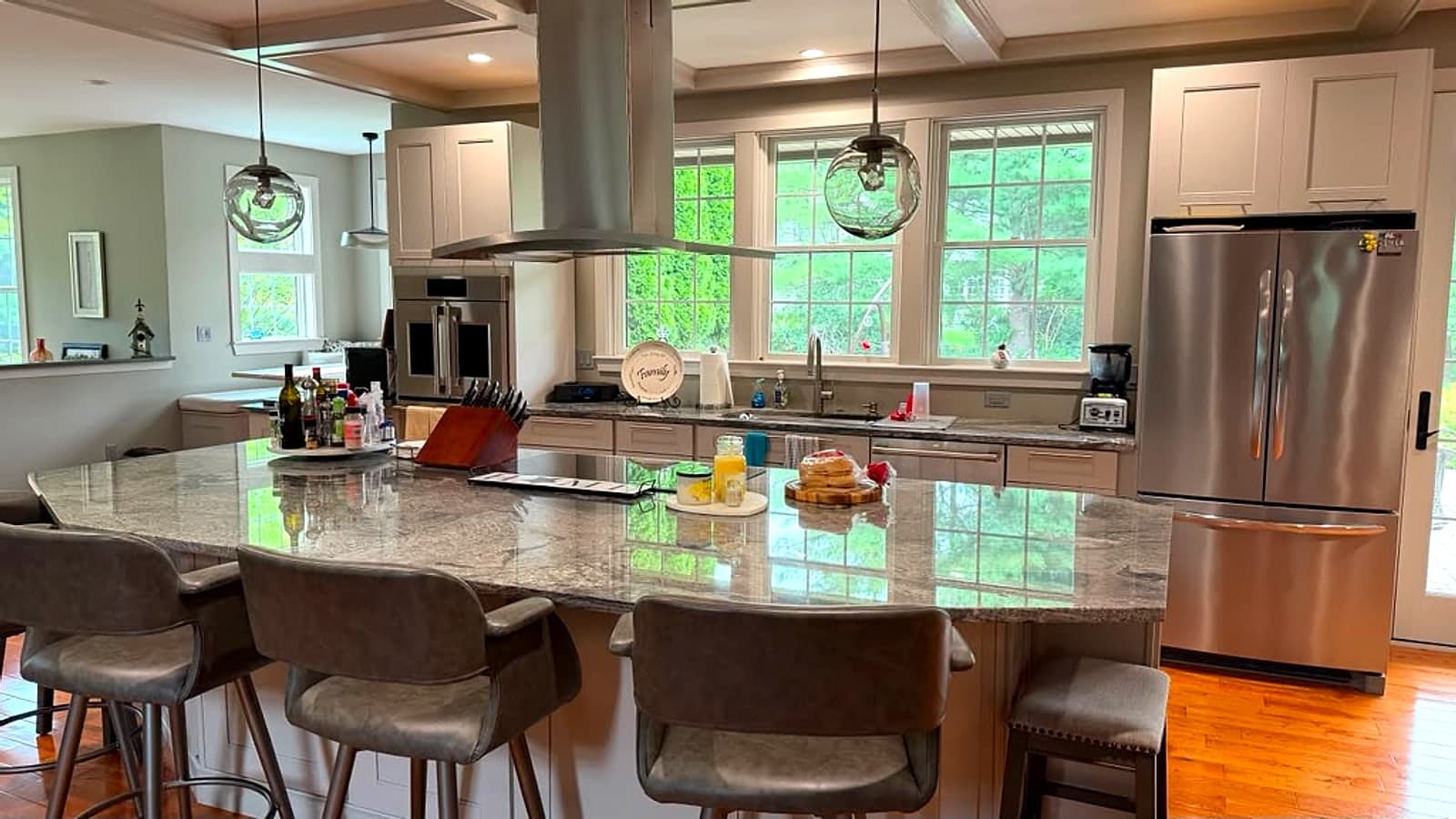
Moving out of an apartment or rental property in Massachusetts comes with a unique set of considerations, not least of which is ensuring the return of your security deposit. For many tenants across Greater Boston, from Malden to Needham, this deposit represents a significant financial safeguard, and its return hinges largely on the condition in which you leave the property.
The process of vacating a rental is often stressful, with packing, coordinating logistics, and finding a new home. Amidst this, the task of thoroughly cleaning the old residence can seem daunting. However, understanding what landlords in Massachusetts generally expect regarding cleanliness, and approaching the task systematically, can make a substantial difference in successfully recouping your deposit.
Understanding Your Lease Agreement and Massachusetts Tenant Law
Your lease agreement is the primary document outlining your responsibilities as a tenant, including the condition in which you must leave the property. While many leases specify a general requirement to leave the unit in a "broom-clean" condition, this phrase can be open to interpretation. "Broom-clean" typically means free of debris, swept, and generally tidy, but it often does not encompass the deeper level of cleaning many landlords expect for a new tenant.
Massachusetts tenant law provides specific protections regarding security deposits. Landlords are required to return the deposit within 30 days of the tenancy ending, minus any deductions for unpaid rent, taxes, or damages beyond reasonable wear and tear. Crucially, deductions for cleaning must relate to actual damage or excessive uncleanliness, not just standard tidying. A clear understanding of your lease's specific cleaning clauses, alongside state regulations, forms the foundation for a successful move-out.
The Importance of a Pre-Move Out Inspection
Before you begin the intensive cleaning process, it is highly advisable to conduct a pre-move out inspection with your landlord, if your lease or local practice allows. This walkthrough provides an invaluable opportunity to clarify expectations and identify any specific areas of concern that the landlord might note. It allows you to address these issues proactively, rather than guessing what might be required.
During this inspection, document the property's condition thoroughly. Take dated photographs or videos of every room, paying close attention to areas that might be subject to scrutiny, such as kitchen appliances, bathroom fixtures, and flooring. This documentation serves as crucial evidence of the property's condition upon your departure, protecting you from unwarranted deductions. If a joint inspection is not possible, conduct your own detailed assessment and documentation anyway.
Key Areas for End of Lease Cleaning Scrutiny
Landlords often focus on specific areas when assessing a property's cleanliness, as these spots tend to accumulate the most grime and require the most effort to restore. Addressing these thoroughly can prevent significant deductions from your security deposit.
In the kitchen, attention to detail is paramount. This includes cleaning the oven, microwave, and refrigerator interior and exterior, ensuring no food residues or spills remain. Countertops, cabinet interiors, and the sink area, including faucets, should be free of grease and hard water stains, a common issue in many parts of Massachusetts. The floor should be swept, mopped, and free of sticky spots or embedded dirt. For many older New England homes, especially triple-deckers in areas like Malden or Everett, kitchens can have nooks and crannies that collect dust and grease over time.
Bathrooms are another high-priority area. Toilets must be sanitized inside and out, showers and tubs scrubbed to remove soap scum and mildew, and grout lines cleaned. Mirrors should be streak-free, and sinks and faucets polished. Pay particular attention to hard water buildup around fixtures, a persistent challenge in many Greater Boston homes. Floors, baseboards, and ventilation fans also require thorough cleaning. For properties with older tile, careful scrubbing without harsh abrasives is key to avoid damage.
Beyond these specific rooms, consider all living areas and bedrooms. Walls should be wiped down to remove scuffs and marks, though normal wear and tear is expected. Baseboards, light fixtures, and ceiling fans often accumulate dust and require thorough cleaning. Windows, including the sills and tracks, should be cleaned inside and out. Older wood floors, common in Winchester and Lexington, often benefit from a gentle yet effective cleaning to remove surface grime and winter's salt and sand residue without causing damage.
Addressing Specific New England Challenges
Living in Massachusetts presents unique cleaning challenges that can impact your end-of-lease outcome. The harsh winters often mean salt and sand are tracked indoors, embedding into carpets or accumulating in floor crevices. Thorough vacuuming and mopping, sometimes requiring multiple passes, are necessary to remove these abrasive particles.
Hard water is another persistent issue across the region, leaving mineral deposits on bathroom fixtures, kitchen sinks, and shower doors. These stains, if left untreated, can appear as significant neglect. Specialized cleaning agents designed to tackle mineral buildup, applied with patience, are often required. Additionally, older homes, prevalent in towns like Stoneham and Belmont, often feature radiators which can accumulate dust and require careful cleaning between their fins. Being mindful of these regional specifics demonstrates a higher level of care and attention.
Beyond Surface Cleaning: Deep Cleaning Considerations
While everyday cleaning keeps a home tidy, end-of-lease cleaning often demands a deeper approach. Deep cleaning goes beyond visible surfaces, addressing hidden grime and accumulated dirt that may not be immediately obvious but will be noticed during a landlord's inspection.
This might involve scrubbing grout lines in bathrooms and kitchens, detailing the interior of cabinets and drawers, and thoroughly cleaning blinds or window treatments. For appliances, deep cleaning means pulling out the refrigerator to clean behind and underneath it, and thoroughly degreasing the range hood filter. It also includes cleaning light fixtures, switch plates, and door handles, which are often overlooked but collect fingerprints and grime. This meticulous attention is what distinguishes a "broom-clean" apartment from one that genuinely looks ready for a new tenant, significantly increasing your chances of a full security deposit return.
DIY vs. Professional Cleaning for Deposit Security
The decision between undertaking the end-of-lease cleaning yourself or hiring a professional service is an important one. Doing it yourself can save money upfront, but it requires a significant time commitment, physical effort, and access to appropriate cleaning supplies and equipment. For a large unit, or one that has accumulated substantial grime over a long tenancy, this can be an overwhelming task, especially when juggling moving logistics.
Professional services, such as our Move In / Move Out Cleaning or Deep Cleaning services, offer expertise and specialized equipment that can achieve a level of cleanliness difficult to replicate with standard household products. We understand the specific expectations of landlords in areas like Malden, Medford, and other Greater Boston communities, and our teams are equipped to tackle issues like hard water stains, oven grease, and deeply embedded dirt. Investing in professional cleaning can provide peace of mind and often proves to be a cost-effective choice in the long run, by helping to secure your full security deposit return.
Final Walkthrough and Documentation
Once the cleaning is complete, schedule a final walkthrough with your landlord. This is your opportunity to demonstrate the care you have taken and to address any last-minute concerns. During this walkthrough, bring your own documentation – the photographs or videos you took after cleaning. This evidence is vital for protecting your interests should any disputes arise regarding the property's condition.
Ensure that all keys are returned, and confirm the forwarding address for your security deposit return. A clear, amicable, and well-documented handover process minimizes misunderstandings and reinforces your diligence as a tenant. By combining thorough cleaning with meticulous documentation, you significantly strengthen your position for a smooth and successful security deposit retrieval.
Securing your security deposit at the end of your lease in Massachusetts requires a strategic approach to cleaning and documentation. Whether you choose to undertake the task yourself or enlist professional help, the goal remains the same: to leave the property in a condition that meets or exceeds your landlord's expectations, based on your lease agreement and state law. We are here to support your move-out process with professional cleaning services designed to meet these exact standards. You are welcome to request a free quote on our site to learn how we can assist you.
Questions
About this
What does "broom-clean" condition mean, and is it sufficient for getting my security deposit back in Massachusetts?
The term "broom-clean" typically implies the property is free of debris, swept, and generally tidy. However, landlords often expect a deeper level of cleanliness than this basic standard. For a successful security deposit return, a more thorough, deep cleaning is usually needed to address grime beyond surface tidiness.
What are the main cleaning issues landlords in Greater Boston commonly focus on when assessing a property after a tenant moves out?
Landlords frequently focus on kitchens, checking appliances, countertops, and sinks for grease and hard water stains. Bathrooms are another high-priority area, where toilets, showers, tubs, and fixtures must be free of soap scum and mineral deposits, a common challenge in many Massachusetts homes. Additionally, dust accumulation in areas like baseboards, light fixtures, and radiators, alongside tracked-in salt and sand from winter, are often scrutinized.
When should I consider hiring a professional cleaning service like AM Cleaning Services for my end-of-lease cleaning?
You might consider professional cleaning if you have limited time, if the unit is large or has accumulated substantial grime, or if you wish to maximize your chances of a full security deposit return. Professional services, such as our Move In / Move Out Cleaning, offer specialized equipment and expertise to tackle deep grime and regional challenges like hard water. This approach ensures a thorough clean that often meets or exceeds landlord expectations in communities like Malden and Lexington.
What is the best way to document the condition of my rental property to protect my security deposit?
Thoroughly document the property's condition with dated photographs or videos of every room, both before and after cleaning, paying close attention to high-scrutiny areas. If possible, conduct a pre-move out inspection with your landlord to clarify expectations and address concerns proactively. This comprehensive documentation serves as vital evidence to protect your interests should any disputes arise regarding the property's condition.
AM Cleaning Services works out of Malden and cleans homes and offices across Greater Boston. Tell us about the space and we will come back with a quote.
Get a Free Quote