
Hardwood Floor Cleaning Older Massachusetts Homes
Learn to clean and protect hardwood floors in older Massachusetts homes without damaging the finish. Expert tips for different floor types and common New England challenges.
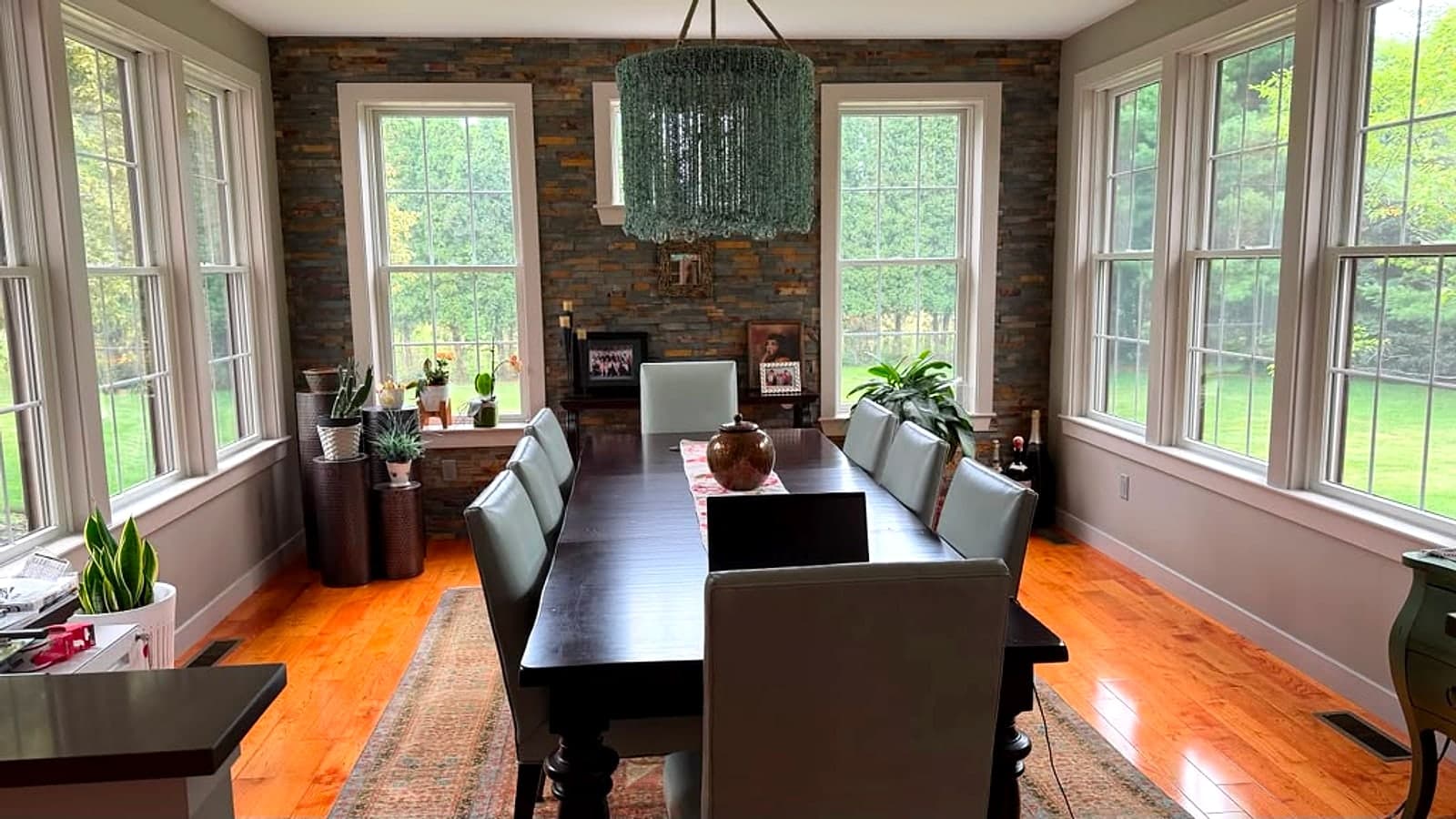
Older Massachusetts homes, from the grand Victorians of Winchester to the classic triple-deckers found across Malden and surrounding areas, often feature beautiful hardwood floors that have witnessed decades, sometimes a century or more, of life. These floors add character and warmth, but their age also means they require a specific approach to cleaning. Unlike modern, factory-sealed surfaces, older hardwood can be more susceptible to moisture, harsh chemicals, and abrasive cleaning methods, potentially leading to irreversible damage to their finish and the wood itself. Maintaining these venerable surfaces correctly is key to preserving their beauty and structural integrity for generations to come.
You might be concerned about dulling the natural sheen, lifting the finish, or even warping the wood with an incorrect cleaning routine. Understanding the unique needs of your specific hardwood, especially considering the varied climate and common wear patterns in New England, is the first step toward effective and safe maintenance. This guide aims to provide clear, actionable steps for keeping your older hardwood floors clean without compromising their historic charm or their delicate finish.
Understanding Your Hardwood Floor's Finish
Before you begin any cleaning, it is essential to understand the type of finish protecting your hardwood floors. The cleaning method that is safe for a modern polyurethane finish can be devastating to an antique shellac or wax finish. Many older homes in areas like Belmont or Stoneham might feature floors with finishes that are less common today, such as shellac, varnish, or even just wax. Polyurethane, a more durable plastic-based coating, became popular later and is found in homes that have been refinished in recent decades. A simple test can often help identify your finish type.
To test, find an inconspicuous spot, perhaps in a closet or under a rug. Apply a small drop of mineral spirits to the floor. If the spot becomes tacky or gummy, you likely have a shellac finish. If the spot darkens and soaks in, the floor is likely waxed or oil-finished. If the spot does not react, you probably have a more durable surface finish like polyurethane or varnish. Each type demands a tailored cleaning strategy to ensure its longevity and appearance.
The Enemies of Older Hardwood Floors
Older hardwood floors face several common threats, many of which are exacerbated by the New England climate. Grit and dirt, tracked in from busy streets or autumn leaves, act like sandpaper, slowly eroding the finish with every step. The salt and sand used on winter roads in places like Lexington and Arlington are particularly damaging, scratching surfaces and leaving behind corrosive residues. Excessive moisture is another major enemy, causing wood to swell, cup, or buckle, and potentially leading to mold growth beneath the surface. Harsh cleaning chemicals, especially those containing ammonia, bleach, or strong detergents, can strip away finishes, leaving floors dull, discolored, or sticky. Improper cleaning tools, such as abrasive scrubbers or steam mops, can also inflict damage.
Understanding these threats allows you to implement preventative measures. Placing robust doormats at all entrances, removing shoes indoors, and promptly addressing spills are fundamental steps in protecting your floors. During the winter months, extra vigilance against salt and sand is crucial. We often see the impact of these abrasive particles on floors in high-traffic areas, underscoring the importance of frequent, gentle dry cleaning to remove them before they can cause lasting harm.
Daily and Weekly Care for Longevity
Consistent, gentle daily and weekly care is the most effective way to preserve older hardwood floors. The primary goal is to remove abrasive dirt and debris before it can scratch the finish. For daily maintenance, a soft-bristle broom or a microfiber dust mop is ideal for sweeping up loose dirt, pet hair, and dust. For weekly cleaning, a vacuum cleaner equipped with a bare-floor setting or a soft brush attachment is superior for picking up finer particles from between floorboards and along baseboards. Avoid using vacuum cleaner beater bars on hardwood, as they can scratch and dull the finish.
Beyond basic cleaning, protecting your floors from physical damage is crucial. Use felt pads under all furniture legs to prevent scratches and gouges when items are moved. For areas with rolling chairs, like a home office, consider an area rug or a clear floor mat designed for hard surfaces. In homes with pets, regular nail trims can help prevent scratches. We also recommend placing area rugs in high-traffic zones such as hallways and living room entry points to absorb wear and tear. This proactive approach significantly extends the life and beauty of your older hardwood floors, whether they are in a colonial in Wellesley or a craftsman in Needham.
Gentle Cleaning Methods for Different Finishes
Once you know your floor's finish, you can choose the correct cleaning method. For polyurethane or urethane-finished floors, a pH-neutral hardwood floor cleaner is generally safe. Mix it according to the manufacturer's directions, or use a solution of a small amount of mild dish soap in warm water. Damp-mop the floor, ensuring the mop is wrung out almost completely dry. You should never leave standing water on hardwood. Work in small sections, rinsing the mop frequently with clean water. For waxed or oil-finished floors, water-based cleaners are usually a strong deterrent, as they can strip the wax. Instead, use cleaners specifically designed for waxed floors, often applied with a soft cloth and then buffed. Sometimes, a simple buffing can restore the shine. For shellac or varnish finishes, which are more delicate, use minimal moisture. A dry microfiber mop is often sufficient, with occasional spot cleaning using a very slightly damp cloth and a mild cleaner specifically formulated for these historic finishes. Always test any cleaning solution in an inconspicuous area first.
Regardless of the finish, remember that less is often more. Over-cleaning or using too much product can be just as damaging as using the wrong product. When in doubt, a dry cleaning method is almost always safer than a wet one. For homes with specific regional challenges, such as the hard water often found in parts of Wakefield or Hingham, using distilled water for cleaning solutions can help prevent mineral buildup or streaking on certain finishes. Consistency with the right gentle method will yield the best long-term results.
Tackling Spills and Stains Safely
Accidents happen, and knowing how to address spills and stains quickly and safely on older hardwood floors is vital. The golden rule for any spill is immediate action. Blot, do not wipe, liquid spills with a clean, dry cloth or paper towel to absorb as much moisture as possible. For sticky spills, a very slightly damp cloth with a tiny amount of mild dish soap can be used, followed immediately by blotting dry with a clean cloth. For greasy stains, a small amount of mineral spirits on a clean cloth can often lift the grease, but this should be tested in an inconspicuous area first, especially on older finishes.
Water marks, common in areas like Cohasset where humidity can fluctuate, require careful attention. For white water marks, sometimes rubbing the spot with a cloth dampened with mineral spirits or even a small amount of mayonnaise (left for a few hours) can draw out the moisture. For darker water stains, which indicate deeper penetration, professional intervention might be necessary, as these often require sanding and refinishing. Avoid abrasive scrubbers or steel wool, which will inevitably damage the finish and the wood. Patience and a gentle approach are your best allies when dealing with floor blemishes.
The Importance of Proper Tools and Products
Using the right tools and products is paramount to preventing damage to your older hardwood floors. A high-quality microfiber dust mop or soft-bristle broom is essential for daily dry cleaning, efficiently capturing dust and debris without scratching. For vacuuming, always use an attachment designed for bare floors, or ensure your vacuum has a 'hard floor' setting that disengages the beater bar. Steam mops are generally not recommended for older hardwood floors, as the high heat and concentrated moisture can warp wood and degrade finishes, even polyurethane, over time. The risk is simply too high, especially for the unique housing stock found in Milton or Gloucester.
When it comes to cleaning solutions, always opt for pH-neutral cleaners specifically formulated for hardwood floors. Avoid multi-surface cleaners, harsh detergents, oil-based soaps, ammonia-based products, or anything containing abrasive particles. These can strip finishes, leave a dull residue, or even cause irreversible damage. For spot cleaning, clean microfiber cloths are invaluable, offering excellent absorption and gentle scrubbing power. Investing in the right tools and products is a small cost compared to the potential expense of repairing or refinishing damaged floors.
When to Seek Professional Expertise
While consistent home care can maintain your older hardwood floors beautifully, there are times when professional expertise becomes invaluable. If your floors have deep scratches, significant dulling, widespread water damage, or require a complete restoration, attempting a DIY fix can often do more harm than good. Professionals have the specialized equipment, knowledge, and products to safely strip old finishes, repair damaged sections, and apply new, appropriate finishes that respect the age and character of your home. Sometimes, a floor that appears beyond salvageable can be brought back to life by a skilled technician.
We understand the challenges of maintaining a home, especially one with historic elements. For a comprehensive deep cleaning that addresses the specific needs of your entire home, including careful attention to various floor types and surfaces, our team is equipped to provide thorough and gentle care. Whether you are preparing for a move in Malden or simply seeking to refresh your living space in Ipswich, we approach each home with respect for its unique features.
Caring for the hardwood floors in your older Massachusetts home is a commitment, but one that rewards you with lasting beauty and character. By understanding your floor's finish, adopting gentle cleaning habits, and using appropriate tools and products, you can ensure these historic surfaces remain a cherished part of your home for many years. When you are ready for assistance with the deeper cleaning needs of your home or business, we invite you to request a free quote on our site to learn how we can help create clean spaces for better lives.
Questions
About this
How can I identify the type of finish on my older hardwood floors?
The article suggests a simple test in an inconspicuous spot using mineral spirits. If the spot becomes tacky or gummy, you likely have a shellac finish. If it darkens and soaks in, the floor is probably waxed or oil-finished. If there is no reaction, it indicates a more durable surface like polyurethane or varnish.
What types of cleaning products and tools should I avoid using on older hardwood floors?
You should avoid harsh cleaning chemicals such as ammonia, bleach, strong detergents, or multi-surface cleaners, as these can strip finishes. For tools, never use abrasive scrubbers, steam mops, or vacuum cleaners with beater bars engaged, as they can cause significant damage to the finish and wood.
How can I protect my older hardwood floors from the specific challenges of the New England climate, like winter salt and sand?
Placing robust doormats at all entrances and consistently removing shoes indoors are fundamental preventative steps to minimize tracked-in grit. During the winter months, extra vigilance against salt and sand is crucial, requiring frequent, gentle dry cleaning to remove these abrasive particles before they can cause lasting harm to your floors.
What should I do if my older hardwood floors have stubborn stains or significant damage like dark water marks?
For deeper issues such as dark water stains, which indicate more significant penetration into the wood, professional intervention might be necessary, as these often require sanding and refinishing. For general stubborn stains, a gentle approach with specific solutions, like mineral spirits for greasy marks, should always be tested in an inconspicuous area first. Our Residential Cleaning or Deep Cleaning services can address a range of floor care needs.
AM Cleaning Services works out of Malden and cleans homes and offices across Greater Boston. Tell us about the space and we will come back with a quote.
Get a Free Quote