
Post-Construction Cleaning After Renovation: The Dust Nobody Warns You About
Discover the hidden challenges of renovation dust and debris. Learn what post-construction cleaning entails and how to achieve a truly clean space in Greater Boston.
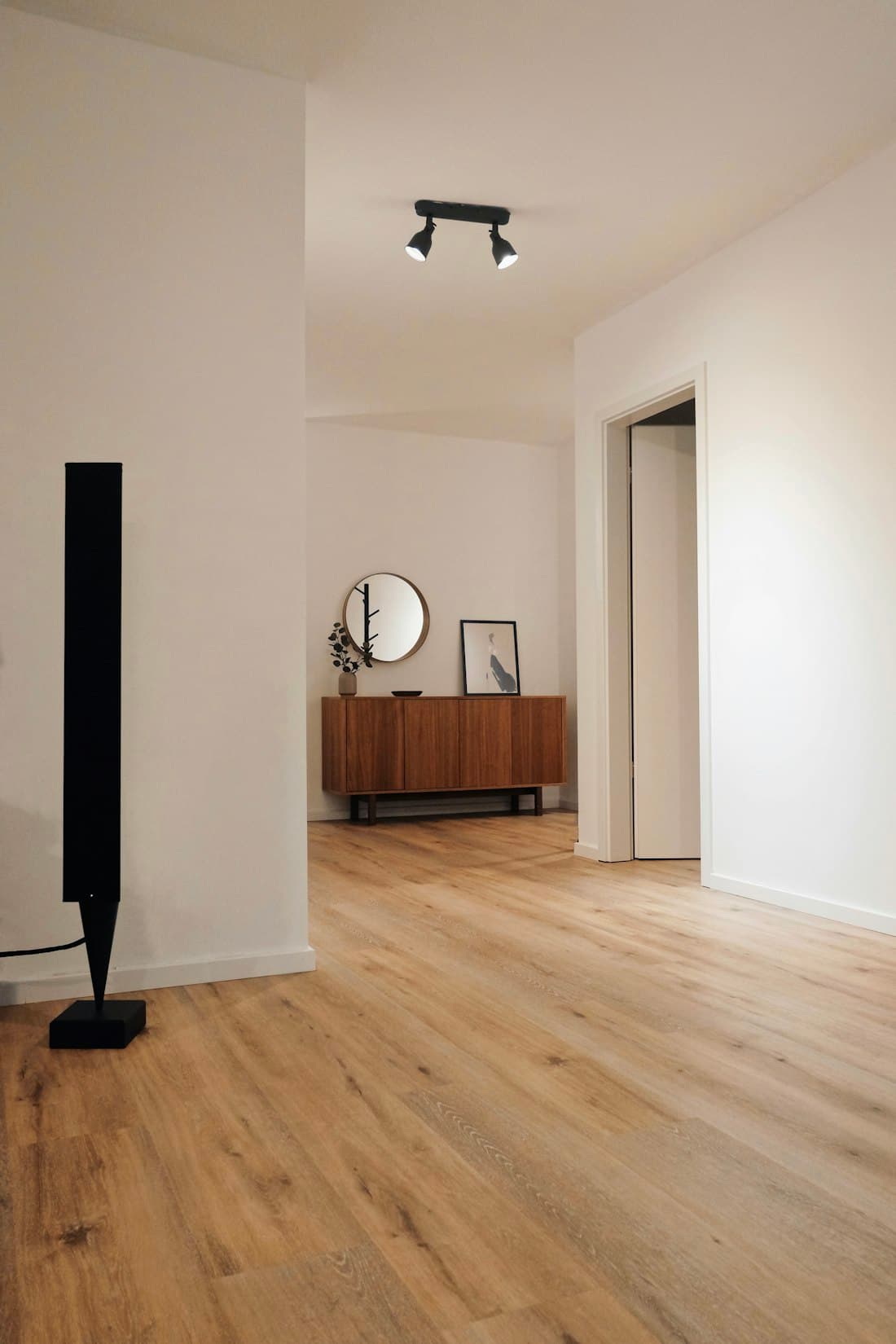
The excitement of a home renovation project, whether it is a kitchen remodel in a classic triple-decker in Malden or an addition to a colonial in Winchester, often culminates in the reveal of a beautifully transformed space. You envision the fresh paint, the new fixtures, and the improved functionality. However, once the contractors pack up their tools, a less glamorous reality often sets in: a pervasive layer of fine dust and construction debris that seems to cling to every surface.
This isn't just ordinary household dust. Renovation dust is a unique challenge, capable of infiltrating every nook and cranny, even those you thought were sealed off. Addressing this requires a specialized approach, moving beyond a simple wipe-down, to ensure your newly renovated space is not just visually appealing but truly clean and healthy.
Understanding the Nature of Renovation Dust
Construction dust is primarily composed of microscopic particles from materials like drywall, sawdust, concrete, and insulation. These particles are significantly finer than typical household dust, making them lightweight and able to remain airborne for extended periods. Once they settle, their minute size allows them to embed themselves in surfaces, making them harder to remove with conventional cleaning methods.
This fine particulate matter can also pose air quality concerns. It easily recirculates through your HVAC system, settling on newly cleaned surfaces repeatedly. A thorough post-construction cleaning acknowledges this reality, focusing on meticulous removal to prevent ongoing dust issues long after the initial cleanup.
The Unseen Reach: Where Dust Hides After Construction
Renovation dust has an uncanny ability to penetrate seemingly sealed areas. Beyond the obvious surfaces like floors and countertops, you will find it inside cabinets and drawers, especially if they were open during the project. It collects on the tops of door frames, crown molding, and baseboards, often creating a visible line.
Consider also the less obvious spots: inside light fixtures, along window sills and tracks, on ceiling fan blades, and even within air vents. In older New England homes, with their intricate trim work, original wood floors, and sometimes less-than-perfect seals, dust can find even more pathways to settle, requiring careful attention to detail in every corner.
Strategic Dust Extraction: Methods for Deep Cleaning
Effective post-construction cleaning begins with proper dust extraction. Standard brooms and dusters often just redistribute fine particles into the air. Instead, a powerful vacuum equipped with a HEPA filter is essential. This type of filter captures microscopic particles, preventing them from being blown back into the environment.
The cleaning process should typically proceed from top to bottom, allowing gravity to work in your favor. Ceilings, high ledges, and light fixtures are addressed first, followed by walls, cabinets, and finally floors. For hard surfaces, damp wiping with microfiber cloths is superior to dry dusting, as it traps particles rather than scattering them. For stubborn spots like paint splatters on wood floors or windows, specialized, non-abrasive tools and solutions are often necessary to protect the new finishes.
The Iterative Process: Multiple Passes and Patience
One of the most crucial aspects of post-construction cleaning is understanding that it is rarely a one-time event. Because fine dust particles can remain suspended in the air for hours or even days, they will continue to settle even after initial cleaning passes. This necessitates an iterative approach, often requiring multiple visits or several dedicated cleaning sessions over a period of time.
Professionals plan for this by allowing time for dust to resettle before subsequent cleaning passes. This might involve an initial thorough clean, followed by a second or even third visit to address the dust that has reappeared. This patience and persistence are key to achieving a truly dust-free environment, especially important in homes across Greater Boston where renovations are common and the air quality inside needs to be carefully managed.
Beyond Dust: Addressing Specific Renovation Residues
While dust is the primary concern, post-construction cleaning often involves tackling other types of residue left behind by contractors. These can include paint overspray on windows, trim, or floors, caulk smudges, adhesive remnants from protective coverings, and even pencil marks on walls. Each of these requires a specific cleaning method and product to remove effectively without damaging new surfaces.
Glass surfaces, in particular, often show smudges, tape residue, or construction film adhesive. Cleaning these requires careful attention to avoid streaks and ensure crystal-clear results. Our team understands the nuances of cleaning these various materials, from newly installed kitchen backsplashes to freshly painted walls, ensuring that every surface is treated appropriately and meticulously.
Air Quality and Ventilation: A Critical Component
Beyond surface cleaning, improving the air quality within your newly renovated space is paramount. Changing your HVAC filters immediately after construction is a vital step, as the old filters will likely be clogged with construction dust. Running your HVAC system with new filters for several days can help circulate and capture remaining airborne particles.
Additionally, ensuring adequate ventilation throughout the cleaning process can help dissipate lingering odors from paint or construction materials. Opening windows and doors when weather permits creates airflow, aiding in the removal of stale air and promoting a healthier indoor environment. This consideration for air quality is an integral part of a comprehensive post-construction cleaning strategy.
What Homeowners Can Do to Prepare
While professional post-construction cleaning handles the detailed work, there are steps you can take to make the process smoother. Ensure all large debris, such as scraps of wood, discarded materials, and packaging, has been removed by your contractor. This allows the cleaning team to focus immediately on the fine dust and residues.
- Ensure utilities like electricity and running water are fully functional and accessible throughout the property. This is crucial for operating vacuums, wet wiping, and other cleaning equipment.
- Clear any remaining tools or personal contractor items from the premises. This helps prevent accidental damage and ensures the cleaning team has unobstructed access to all areas.
The Value of Professional Post-Construction Cleaning
Taking on post-construction cleaning yourself can be an overwhelming and time-consuming task, often requiring specialized equipment and an understanding of how to effectively remove fine dust without causing damage. For homeowners in Malden, Arlington, or across Greater Boston, entrusting this critical final step to professionals means you can move into your refreshed space with confidence.
We bring the experience, tools, and meticulous attention to detail required to tackle the specific challenges of renovation dust and debris. From deep cleaning air vents to polishing newly installed fixtures, our goal is to ensure your post-renovation space truly reflects the "Clean Spaces. Better Lives." philosophy. When the renovation dust settles, we ensure your home is ready for you to enjoy.
If you have completed a renovation and are ready to reclaim your clean home or office space, we invite you to request a free quote on our site. We are here to help you navigate the final stage of your project with expertise and thoroughness.
Questions
About this
How long does post-construction cleaning typically take?
The duration of post-construction cleaning varies significantly based on the size of the renovated area, the extent of the dust and debris, and the specific services required. It often involves multiple cleaning passes over a period of time to account for settling dust, meaning it can take longer than a standard deep clean.
Can I effectively clean up construction dust myself?
While you can attempt to clean up construction dust yourself, it is a demanding task. Professional post-construction cleaning utilizes specialized HEPA-filtered vacuums, industrial-grade cleaning solutions, and specific techniques to capture and remove the fine, pervasive dust that often eludes typical household cleaning methods.
What specific residues are addressed during post-construction cleaning?
Beyond fine dust, post-construction cleaning targets various residues, including paint overspray, caulk residue, adhesive marks, plaster dust, and scuff marks on new surfaces. Our process focuses on carefully removing these materials without causing damage to your newly installed finishes and fixtures.
AM Cleaning Services works out of Malden and cleans homes and offices across Greater Boston. Tell us about the space and we will come back with a quote.
Get a Free Quote