
Strategic Winter Cleaning for Older New England Homes
Prepare your older New England home for winter with strategic cleaning. Focus on heating efficiency, air quality, and moisture control for a healthier season.
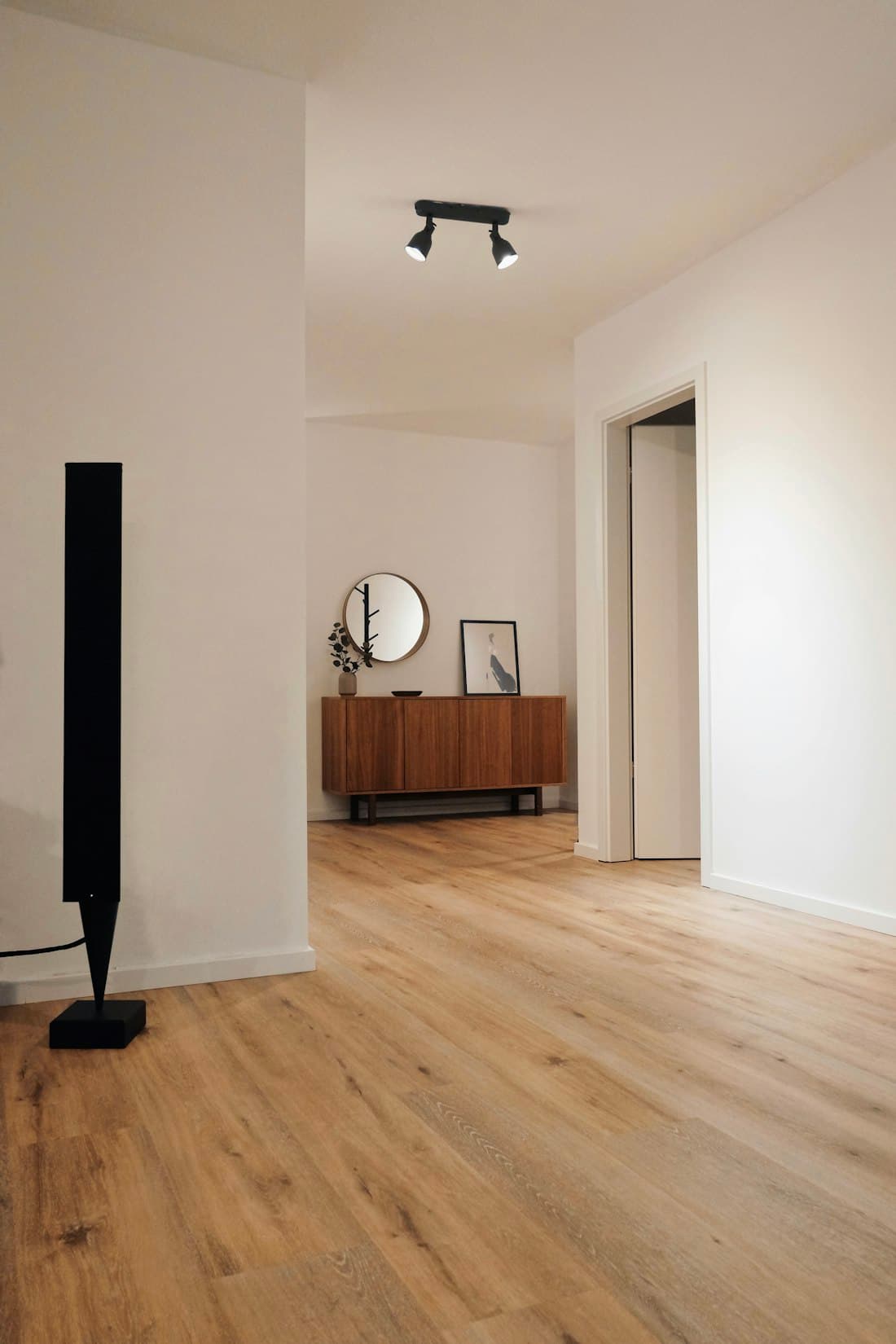
Older New England homes carry a unique charm, but they also present specific considerations as winter approaches. The crisp air and changing leaves signal a shift indoors, where heating systems will soon run continuously and windows will remain sealed against the cold. Preparing your home for this seasonal transition involves more than just putting away summer items; it requires a strategic approach to cleaning that addresses the particular challenges of older structures and the harsh Massachusetts winter. This deep dive into winter preparation focuses on the cleaning tasks that truly make a difference for comfort, air quality, and the longevity of your home.
Optimizing Heating Systems: Dust and Efficiency
In Malden and across Greater Boston, many older homes rely on traditional heating systems, from steam radiators to forced hot water baseboards. These systems, while effective, can become significant dust traps over time. Dust accumulation on radiator fins or inside baseboard heating units can impede heat transfer, forcing your system to work harder and less efficiently. Before the heating season begins in earnest, a thorough cleaning of these components is crucial.
Begin by vacuuming radiators and baseboards with a brush attachment to remove loose dust and debris. For radiators, consider using a long, thin brush or even a hairdryer on a cool setting to dislodge dust from hard-to-reach crevices. Wipe down surfaces with a damp cloth to capture any remaining particles. For forced-air systems, ensure all heating vents are clear of obstructions and thoroughly dust them inside and out. This step not only helps your home warm more effectively but also reduces the amount of airborne dust circulating throughout your living spaces once the heat is on.
Managing Indoor Air Quality Before Sealing Up
With windows closed for months, indoor air quality becomes a paramount concern in winter. Dust, allergens, and pet dander that have accumulated throughout the year can become concentrated, impacting respiratory health and general comfort. A proactive approach to high dusting and vent cleaning before winter sets in can significantly improve the air you breathe.
Focus on areas often overlooked during routine cleaning: ceiling fan blades, the tops of doorframes, window casings, light fixtures, and the upper ledges of bookshelves and cabinets. Use an extendable duster or a vacuum with appropriate attachments to capture dust rather than just displacing it. Also, take time to clean bathroom and kitchen exhaust fan grilles, as these can harbor significant dust and grease buildup. Ensuring these areas are free of accumulated grime helps minimize the recirculation of indoor pollutants once your home becomes a closed environment.
Battling Winter Moisture: Bathrooms and Basements
Older New England homes can be susceptible to moisture issues, especially as colder temperatures lead to increased condensation indoors. Bathrooms, frequently used and often humid, are prime areas for mold and mildew development. Thoroughly cleaning grout lines, shower curtains, and behind toilets helps prevent these issues from taking hold before winter. Addressing hard water stains, common in Massachusetts, also maintains the integrity of surfaces.
Beyond the bathroom, basements in towns like Winchester or Lexington, often damp, require attention. While not always heated, basements can become breeding grounds for mold and musty odors if not properly managed. Before winter, declutter and clean any areas prone to dampness. Wipe down shelves, clean concrete floors, and ensure any visible condensation is addressed. This preventative cleaning is key to mitigating potential moisture-related problems that can worsen when the ground freezes and outdoor ventilation decreases.
Protecting Entryways and Floors from Winter Debris
The arrival of winter brings with it salt, sand, and slush, which are notorious for tracking into homes and damaging floors. Older wood floors, especially those found in triple-deckers or historic homes across Greater Boston, are particularly vulnerable to abrasive particles and moisture. A crucial part of winter preparation involves deep cleaning and fortifying your home's entryways.
Thoroughly vacuum and wash mudrooms, foyers, and all primary entry points. Consider removing and cleaning any existing rugs or mats, ensuring they are dry before replacing them. For homes with hardwood floors, establishing a clear system for removing boots and outerwear immediately upon entering can significantly reduce the amount of corrosive debris tracked deeper into your home. This proactive cleaning protects your floors from the relentless assault of winter weather.
Strategic Cleaning of Dormant Spaces
Many older homes feature spaces that see less activity during the colder months, such as attics, storage rooms, or guest bedrooms. While these areas might seem less pressing, a strategic cleaning before they become dormant can prevent issues like pest infestations, excessive dust accumulation, or even mold growth in unheated or poorly ventilated zones.
Before packing away summer items or sealing off certain rooms, take the time for a thorough clean. In attics or storage areas, vacuum exposed beams and flooring, wipe down shelves, and ensure stored items are in clean, sealed containers. For guest rooms that won't be used frequently, change and wash linens, dust all surfaces, and vacuum thoroughly. This not only keeps these spaces fresh but also helps to deter pests who might seek warm, undisturbed shelter as temperatures drop. A clean, organized dormant space is less likely to surprise you with unpleasant discoveries come springtime.
Window Sills and Frames: Preventing Drafts and Condensation
Older windows, characteristic of many homes in areas like Arlington or Belmont, are often charming but can be sources of drafts and condensation in winter. Beyond just cleaning the glass, the sills and frames themselves require attention to prepare for the cold. Accumulated dirt, dust, and even mildew around these areas can worsen air leaks and contribute to indoor air quality issues.
Begin by thoroughly cleaning window sills, frames, and sashes. Use a damp cloth to wipe away grime, paying close attention to corners and any visible mold or mildew. For stubborn spots, a gentle cleaner suitable for your window material can be effective. This step not only improves the appearance of your windows but also allows for a clearer inspection of any gaps or cracks that might need sealing before winter's chill truly sets in. A clean window seal is a more effective window seal, helping to keep warm air in and cold air out.
Deep Cleaning Textiles and Upholstery for Winter Comfort
As your home becomes a sealed environment for the winter, the cleanliness of your textiles and upholstered items plays a significant role in overall comfort and indoor air quality. Carpets, area rugs, curtains, and furniture upholstery act as filters, trapping dust, allergens, and pet dander. When windows are closed and heating systems circulate air, these accumulated particles can become more noticeable.
Before the deep freeze, consider a thorough cleaning of these fabric surfaces. Vacuum carpets and rugs meticulously, reaching under furniture where dust often settles. Curtains can be vacuumed with an upholstery attachment or, if washable, laundered according to their care instructions. For upholstered furniture, a professional cleaning can remove embedded dirt and refresh fabrics, contributing to a fresher, healthier indoor environment. This deep textile cleaning is an often-overlooked step that significantly enhances the comfort and cleanliness of your living spaces throughout the long New England winter.
Preparing your older New England home for winter goes beyond surface-level tidying; it involves a thoughtful, strategic approach to cleaning that addresses the unique demands of the season. By focusing on heating efficiency, indoor air quality, moisture control, and debris management, you create a more comfortable, healthier, and resilient living environment. If you find these tasks daunting, or simply wish to ensure your home is thoroughly prepared, we invite you to request a free quote on our site.
Questions
About this
Why is 'strategic' cleaning important for older homes in winter?
Older homes often have unique challenges like less efficient insulation or traditional heating systems. Strategic cleaning focuses on areas that directly impact heating efficiency, air quality when sealed indoors, and preventing moisture-related issues, making your home more comfortable and resilient during the colder months.
How does this type of cleaning help with indoor air quality during winter?
When windows are closed for extended periods, indoor pollutants like dust and allergens become more concentrated. Strategic cleaning involves thorough high dusting, cleaning vents, and addressing textiles, which significantly reduces the amount of these particles circulating in your sealed environment, promoting healthier air.
What are the main benefits of focusing on entryways before winter?
Entryways bear the brunt of winter elements like salt, sand, and slush, which can damage older flooring. Deep cleaning these areas and preparing them with protective measures helps preserve your floors and prevents corrosive debris from being tracked deeper into your home, maintaining its condition.
AM Cleaning Services works out of Malden and cleans homes and offices across Greater Boston. Tell us about the space and we will come back with a quote.
Get a Free Quote